In a previous blog, “Another Blog About the Office of the Future”, we asked Chat GPT to provide current and future predictions on office space. We used the results to project the future working environment of a 20,000 square foot flex workplace center. In this blog, we asked Copilot to provide a program for designing a shared workplace center in that same sized 20,000 square foot space. Two minutes later, we received a comprehensive document that begins with a narrative, continues with design details, and ends with space planning directives. The following design program is unedited.
Designing a 20,000 square foot flex workplace center involves a thoughtful approach to space allocation, ensuring that the environment is both functional and inviting. Here’s a narrative that outlines the design process and the rationale behind each decision:
Welcome to Your New Flex Workplace Center
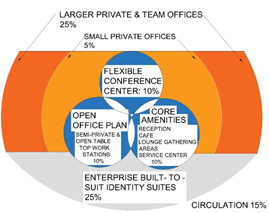
As you step into the 20,000 square foot flex workplace center, the first thing you notice is the spacious and welcoming Reception Area. Spanning 1,000 square feet, this area is designed to make a strong first impression. The modern reception desk, comfortable seating, and a touch of greenery create an inviting atmosphere for visitors and clients.
Moving past the reception, you enter the heart of the workplace: the Open Office Area. Covering 8,000 square feet, this space is designed to foster collaboration and creativity. Rows of ergonomic desks are interspersed with breakout zones featuring cozy sofas and high-top tables. The open layout encourages spontaneous interactions and teamwork, while also providing individual workstations for focused tasks.
Adjacent to the open office, you’ll find the Private Offices. These 4,000 square feet are dedicated to those who need a quieter, more secluded environment. Each private office is equipped with soundproofing, ensuring privacy for phone calls and meetings. The design incorporates large windows to allow natural light to flood in, creating a pleasant and productive workspace.
Next, you come across the Meeting Rooms. Spanning 3,000 square feet, these rooms vary in size to accommodate different needs, from small team huddles to large client presentations. Each meeting room is equipped with state-of-the-art technology, including video conferencing capabilities and interactive whiteboards, making them perfect for both in-person and virtual meetings.
The Break Area is a vibrant 2,000 square foot space where employees can unwind and recharge. It features a fully stocked kitchen, a coffee bar, and a variety of seating options, from communal tables to lounge chairs. The design encourages relaxation and socialization, fostering a sense of community among employees.
Storage is often an overlooked aspect of workplace design, but not here. The Storage Area occupies 2,000 square feet, providing ample space for supplies, equipment, and personal belongings. Organized shelving and secure lockers ensure that everything has its place, keeping the workspace clutter-free.
Finally, the design includes thoughtful touches throughout the center. From the use of sustainable materials to the incorporation of biophilic design elements, every detail is aimed at creating a healthy and inspiring environment. The layout is flexible, allowing for future adjustments as the needs of the workplace evolve.
This narrative captures the essence of a well-designed flex workplace center, balancing functionality with aesthetics to create a space where employees can thrive.
When designing a flex workplace center, the choice of finish materials is crucial for creating a functional, aesthetically pleasing, and adaptable environment. Here are some preferred finish materials commonly used in such spaces:
Flooring
- Carpet Tiles: Popular for their versatility and ease of replacement. They provide sound insulation and are available in various colors and patterns.
- Luxury Vinyl Tile (LVT): Durable, easy to maintain, and available in designs that mimic natural materials like wood and stone.
- Hardwood: Offers a timeless and high-end look. It’s sustainable and can be refinished multiple times.
- Rubber Flooring: Ideal for high-traffic areas due to its durability and comfort underfoot. It’s also slip-resistant and easy to clean.
- Ceramic Tiles: Used in areas like kitchens and bathrooms for their water resistance and durability.
Wall Finishes
- Paint: A cost-effective option that allows for easy updates. Choose low-VOC paints for better indoor air quality.
- Wall Panels: Acoustic panels can help reduce noise levels, while decorative panels can add texture and interest to the space.
- Wallpaper: Offers a wide range of patterns and textures, ideal for accent walls.
Ceiling Finishes
- Acoustic Ceiling Tiles: Help in sound absorption, making the environment more conducive to work.
- Exposed Ceilings: Often used in modern, industrial designs. They can be painted or left in their natural state for a raw, unfinished look.
Furniture and Fixtures
- Modular Furniture: Allows for flexibility in reconfiguring the space as needed. Look for pieces that are easy to move and adapt.
- Ergonomic Chairs and Desks: Essential for employee comfort and productivity.
- Greenery: Incorporating plants can improve air quality and add a touch of nature to the workspace.
Lighting
- LED Lighting: Energy-efficient and long-lasting. Adjustable lighting can help create different moods and improve productivity.
- Natural Light: Maximizing natural light through large windows and glass partitions can enhance the overall ambiance and reduce energy costs.
Sustainable Materials
- Recycled Materials: Using recycled or upcycled materials can reduce the environmental impact.
- Sustainable Wood: Certified by organizations like FSC (Forest Stewardship Council) to ensure responsible sourcing.
These materials not only enhance the functionality and aesthetics of the flex workplace center but also contribute to a healthier and more sustainable environment.
Choosing the right color scheme for a flex workplace center can significantly impact the mood, productivity, and overall ambiance of the space. Here are some of the best color schemes and finishes to consider, as well as those to avoid:
Preferred Color Schemes
- Neutral Tones with Accents
- Base Colors: Whites, grays, and beiges.
- Accents: Bright colors like yellow, blue, or green.
- Why: Neutral tones provide a clean and professional look, while accent colors can add energy and creativity to the space.
- Earthy and Natural
- Base Colors: Soft greens, browns, and tans.
- Accents: Deep greens, terracotta, and muted blues.
- Why: These colors create a calming and grounded environment, promoting relaxation and focus.
- Monochromatic Schemes
- Base Colors: Different shades of a single color, such as various blues or grays.
- Accents: Lighter or darker shades of the same color.
- Why: Monochromatic schemes are cohesive and sophisticated, making the space look unified and elegant.
- Bold and Vibrant
- Base Colors: Bright colors like teal, orange, or magenta.
- Accents: Contrasting colors like yellow, blue, or green.
- Why: Bold colors can energize the space and stimulate creativity, ideal for dynamic and innovative work environments.
Colors and Finishes to Avoid
- Overly Dark Colors
- Examples: Dark browns, blacks, and deep purples.
- Why: These colors can make the space feel smaller and more oppressive, potentially affecting mood and productivity negatively.
- Too Many Bright Colors
- Examples: Using multiple bright colors like neon green, bright pink, and electric blue together.
- Why: This can create a chaotic and overwhelming environment, making it difficult for employees to focus.
- Clashing Colors
- Examples: Colors that do not complement each other, such as red and green or orange and purple.
- Why: Clashing colors can be visually jarring and create a sense of discomfort.
- High-Gloss Finishes
- Examples: High-gloss paints and finishes.
- Why: These can create glare and reflections, which can be distracting and uncomfortable for employees.
Additional Tips
- Balance: Ensure a balance between neutral and accent colors to avoid overwhelming the space.
- Consistency: Maintain a consistent color scheme throughout the workplace to create a cohesive look.
- Natural Light: Consider how natural light interacts with your chosen colors, as it can significantly affect their appearance.
By carefully selecting your color scheme and finishes, you can create a flex workplace center that is both functional and aesthetically pleasing, enhancing the overall work experience for everyone.
Designing a 20,000 square foot flex workplace center involves several key factors related to air circulation and the interior environment to ensure a comfortable, healthy, and productive space. Here are some important considerations:
Air Circulation
- Ventilation Systems: Proper ventilation is crucial to maintain indoor air quality. This includes the use of HVAC systems that can efficiently circulate fresh air and remove stale air. Consider systems with energy recovery ventilators (ERVs) or heat recovery ventilators (HRVs) to improve energy efficiency.
- Air Filtration: High-efficiency particulate air (HEPA) filters can help remove contaminants from the air, such as dust, pollen, and other allergens. This is especially important in shared workspaces to reduce the spread of airborne illnesses.
- Airflow Design: Ensure that the layout allows for unobstructed airflow. This can be achieved by strategically placing vents, windows, and fans to promote natural and mechanical ventilation.
Interior Environment
- Lighting: Incorporate a mix of natural and artificial lighting. Large windows can provide natural light, which is beneficial for health and productivity. Use LED lighting with adjustable brightness and color temperature to mimic natural light cycles.
- Acoustics: Soundproofing materials and design elements can help reduce noise pollution, which is crucial in a flexible workspace where different activities may occur simultaneously. Consider acoustic panels, carpets, and ceiling tiles designed to absorb sound.
- Temperature Control: A well-designed HVAC system should allow for zoned temperature control to accommodate different areas of the workspace. This ensures that all areas are comfortable, regardless of their use.
- Ergonomics: Furniture and workspace design should promote good posture and reduce strain. Adjustable desks, ergonomic chairs, and flexible seating arrangements can help achieve this.
- Biophilic Design: Incorporating natural elements like plants, water features, and natural materials can improve mental well-being and productivity. Plants also help improve air quality by absorbing CO2 and releasing oxygen.
Space Planning
- Circulation Paths: Design clear and wide pathways to facilitate easy movement and reduce congestion. This includes considering both public and internal circulation spaces
- Flexibility: The layout should be adaptable to different needs, allowing for reconfiguration of spaces as required. This can be achieved with movable partitions, modular furniture, and multi-purpose areas.
By focusing on these factors, you can create a flex workplace center that is not only functional but also promotes the well-being and productivity of its users.
 AoPlan'sblog